Motif Embroidery Design: A Guide to Choosing and Using Decorative Stitch Patterns
Embroidery has long been a cherished craft, blending artistry with functionality. Among the many styles available, Motif Embroidery Design stands out for its versatility and visual appeal. This decorative art form involves stitching different patterns onto fabric to create intricate designs that enhance clothing, accessories, and home décor. Whether you're an experienced embroiderer or just starting out, understanding the nuances of Motif Embroidery Design can help you achieve stunning results.
What Is Motif Embroidery Design?
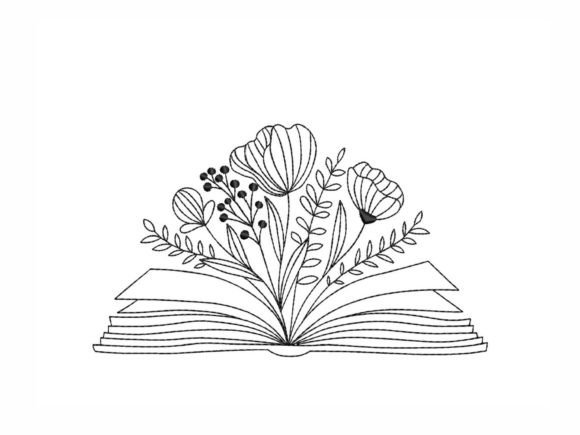
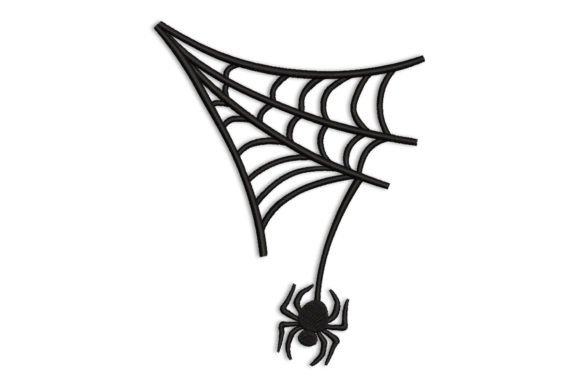
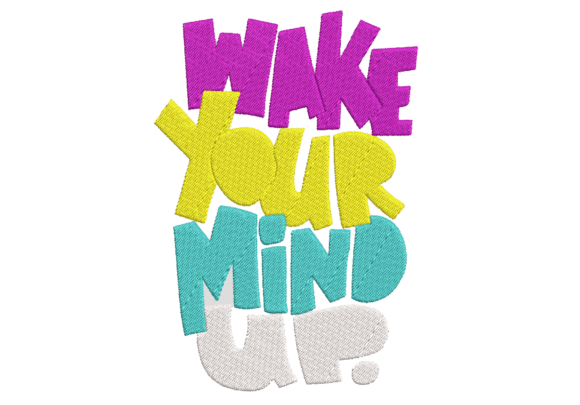
Motif Embroidery Design refers to the process of creating or applying embroidered patterns—known as motifs—to fabric using various stitching techniques. These motifs can range from simple floral patterns to complex geometric shapes and even custom illustrations. The beauty of this method lies in its adaptability; it can be applied to a wide array of materials and settings.
One of the key attractions of Motif Embroidery Design is its ability to add a personal touch to garments and textiles. It’s popular among fashion designers, hobbyists, and small business owners who want to differentiate their products in the market.
Common Mistakes When Choosing Motif Embroidery Designs
Selecting the right Motif Embroidery Design is crucial for achieving the desired outcome. However, several common mistakes can lead to unsatisfactory results:
- Ignoring Fabric Type: Not all fabrics are suitable for every embroidery design. For example, a heavy motif may not look good on thin cotton. Always consider the fabric's weight and texture before choosing your design.
- Overlooking Size and Scale: A large motif on a small garment like a shirt pocket can appear overwhelming. Conversely, a small motif on a large item might get lost. Take time to evaluate how the size of the design will interact with the final product.
- Choosing Incompatible Colors: Color selection plays a significant role in the overall appearance of the embroidery. If the colors don't complement each other or the fabric, the result can look unprofessional.
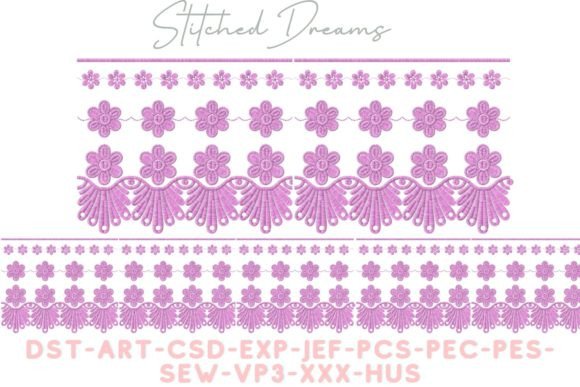
- Not Checking File Formats: Many machine embroidery designs come in multiple file formats (e.g., DST, PES, JEF). Failing to confirm which format is compatible with your embroidery machine can lead to wasted time and resources.
How to Avoid These Mistakes
To ensure your Motif Embroidery Design turns out beautifully, follow these practical tips:
- Research Fabric Compatibility: Consult guidelines or test samples before committing to a design. Some motifs work better on woven fabrics, while others are ideal for knits.
- Use Design Software: Utilize embroidery software to visualize how the motif will look on the fabric. This allows you to adjust the size and placement before starting the actual embroidery.
- Experiment with Color Schemes: Try out different color combinations on a scrap piece of fabric to see what looks best. Consider the purpose of the garment and the intended audience when making your choice.
- Verify Machine Compatibility: Before purchasing any design, check the supported file formats for your embroidery machine. Many online stores provide detailed compatibility information.
Choosing the Right Technique for Your Motif Embroidery Design
The technique used to stitch a Motif Embroidery Design greatly influences the final appearance. Common methods include satin stitch, backstitch, and chain stitch, each offering unique textures and effects. Selecting the appropriate technique depends on the complexity of the motif and the desired finish.
For instance, a delicate floral motif may benefit from a soft satin stitch, whereas a more robust geometric pattern could use a combination of backstitch and fill stitches for added dimension. Understanding the strengths and limitations of each technique helps avoid missteps in execution.
Practical Tips for Beginners and Professionals Alike
Whether you're new to embroidery or have years of experience, there are always ways to refine your approach. Here are some actionable suggestions:
- Start Small: Begin with simpler motifs and gradually move to more complex ones as your skills improve. This builds confidence and ensures consistent quality.
- Invest in Quality Tools: High-quality needles, threads, and stabilizers make a noticeable difference in the final product. Don’t skimp on essentials that contribute to the durability and appearance of your work.
- Practice on Scrap Fabrics: Use leftover fabric scraps to experiment with different designs and techniques. This helps identify potential issues without wasting valuable materials.
- Stay Updated with Trends: Keep an eye on current trends in embroidery to stay relevant and inspired. Social media platforms and online communities often share new ideas and innovations.
Final Thoughts on Motif Embroidery Design
Motif Embroidery Design offers endless possibilities for creativity and self-expression. By avoiding common pitfalls and making informed choices, you can elevate your embroidery projects to new heights. Remember, the key to success lies in attention to detail, practice, and a willingness to learn from both successes and mistakes.
With careful planning and a focus on quality, anyone can master the art of Motif Embroidery Design and enjoy the satisfaction of creating beautiful, personalized pieces that stand out from the crowd.